Blog
Field notes, risk management and the habits that actually move equity curves. Posts cover funded account rules, futures and CFD prop firm comparisons, what separates a useful trading journal from a glorified spreadsheet, and the discipline that keeps a strategy alive past a losing streak. No hype, no guru talk. Just what holds up under real drawdown.
How to Log Trades From a Screenshot (Step by Step)
The data is already on your chart. How to take a screenshot that logs cleanly, check what gets extracted, and add what the image cannot show.

How to Journal Trades Without Connecting Your Broker
Broker sync does not cover every platform, and manual entry gets abandoned. The third approach, what it actually automates, and what it does not.
Why Traders Stop Journaling After Two Weeks
The dropout is not a discipline problem. It is a structural one, and the data explains exactly why the habit dies right before it starts paying.
How Many Trades Does It Take to Pass a Prop Firm Challenge?
Most challenges no longer have a deadline, which changes the question. The math behind whether your system reaches the target before drawdown ends it.
Prop Firm Consistency Rules Explained (With Examples)
A consistency rule can block a payout on an account that hit its target. How the calculation works and the math to stay inside the threshold.
Trailing vs Static Drawdown: Which One Breaks Your Account First
Your account can fail while you are still in profit. The reason is the drawdown model your prop firm uses, and most traders never check which one applies to them.
Is a 40% Win Rate Good in Trading? (Real Example Inside)
A 40% win rate can be highly profitable. Here's the math, including a real 35% win rate system that stays comfortably above breakeven.
How to Journal Prop Firm Trades and Pass Your Challenge
A journaling system for prop firm challenges: targets, drawdown, and the consistency rule, from a trader with funded and active accounts.
Why Win Rate Doesn't Matter as Much as You Think
A high win rate can still lose money. See why risk-reward and expectancy decide if a strategy works, not how often you're right.
CFD vs Futures Prop Firms: Which One Actually Fits Your Trading Style
CFD and futures prop firms aren't interchangeable. Here's how the drawdown rules, costs, and session structures actually differ, and how to tell which one fits your trading style.
Best CFD Prop Firms in 2026: An Honest Ranking
We compared the top CFD prop firms on the market, including the ones we actually trade with ourselves, on rule stability, payout transparency, and the red flags real traders keep reporting.

Best Futures Prop Firms in 2026: An Honest Ranking
We compared the top futures prop firms on drawdown mechanics, commission structure, and payout speed, with the same non-affiliate standard we apply to every ranking on Wick.

Best Trading Journals in 2026: An Honest Ranking
We compared the top trading journals on the market: pricing, features, what they're actually good for, and where they fall short.
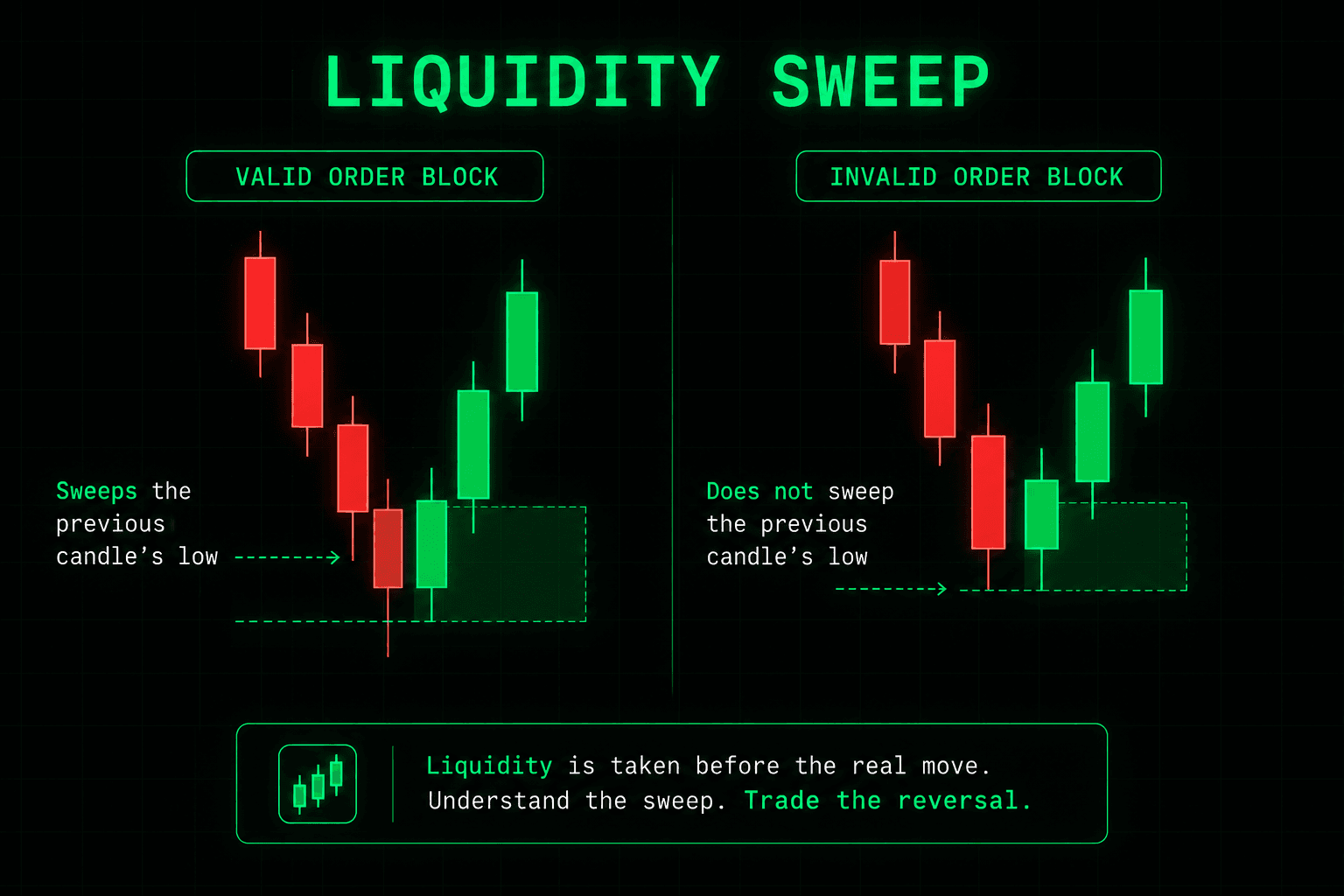
What Is an ICT Trading Journal? Definition + How to Track SMC Setups
An ICT trading journal tracks the specific confluences that define Smart Money Concepts order blocks, fair value gaps, liquidity sweeps, and session bias. Here's what to log and why generic journals miss the point.
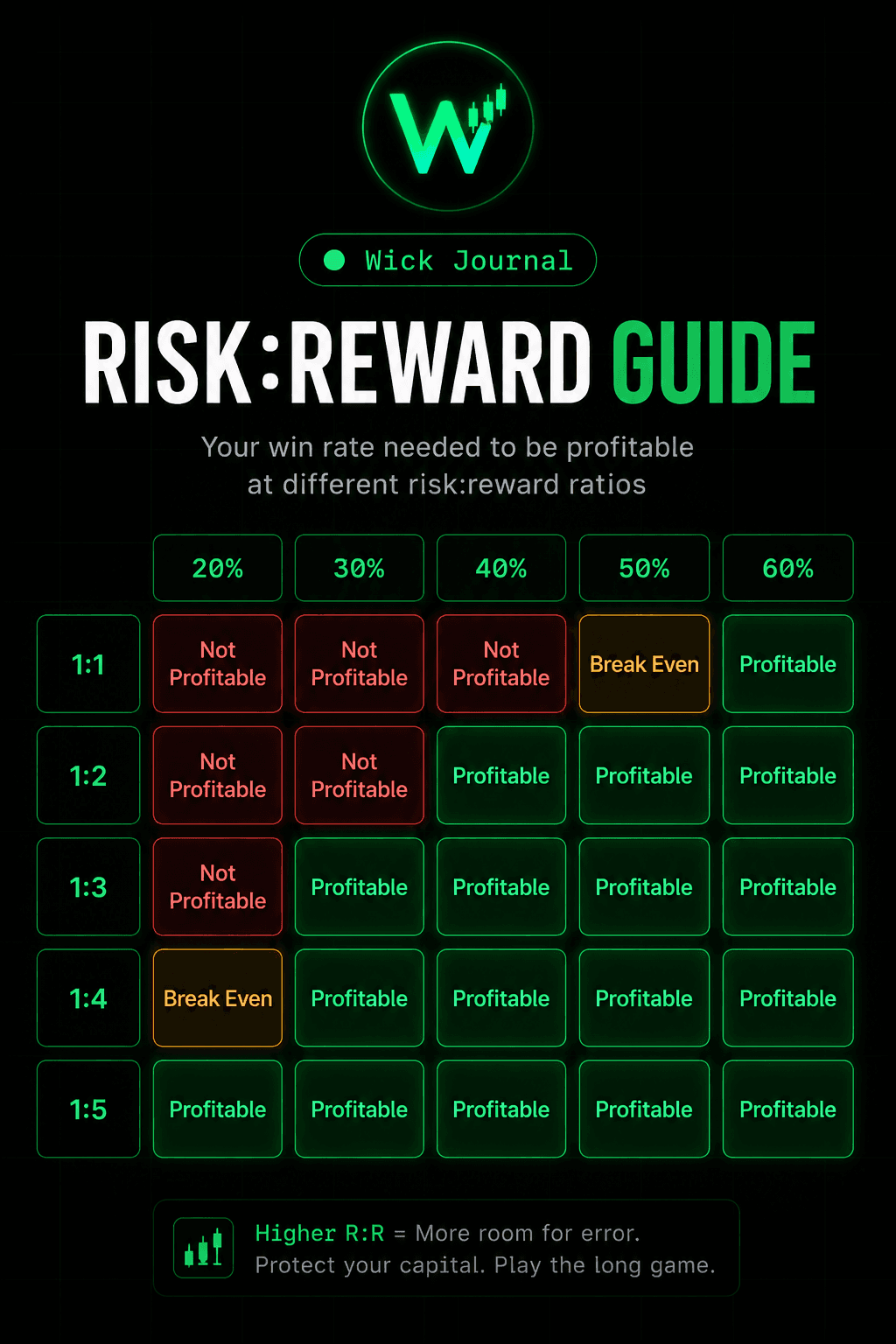
How to Calculate Win Rate, R:R and Expectancy in Trading
Win rate alone can't tell you if you're profitable. Learn how to calculate win rate, risk/reward ratio, and expectancy correctly, with real trading examples and the formulas professional traders actually use.
.webp&w=3840&q=75)
How Many Losing Trades in a Row Is "Normal"?
Every trader panics after a losing streak. But is it actually abnormal, or just statistics? We break down the real probabilities behind consecutive losses.
Why Your R:R Ratio Matters More Than Your Win Rate
Win rate without R:R context is a meaningless number. Here's the math that actually determines if your strategy is profitable.