June 20, 2026 · Updated September 13, 2026
Why Your R:R Ratio Matters More Than Your Win Rate
Most traders obsess over win rate. They want to be right 70%, 80% of the time. But win rate alone tells you almost nothing about whether a strategy is actually profitable.
The math nobody checks
Here's the formula that matters:
Breakeven win rate = 1 / (1 + R:R)
- At 1:1 R:R, you need a 50% win rate just to break even.
- At 1:2 R:R, you only need 33%.
- At 1:3 R:R, you only need 25%.
For the full math on how win rate, R:R and expectancy fit together, see how to calculate win rate, R:R and expectancy.
A trader winning 40% of the time with a 1:3 R:R is far more profitable than someone winning 65% of the time with a 1:1 R:R. Win rate without R:R context is a meaningless number.
Why this gets ignored
Most retail traders set their TP based on "where it feels right" instead of calculating R:R before entry. By the time they're in the trade, they're managing emotion, not risk. The R:R that mattered was the one you should have planned before you clicked buy/sell, not the one you reverse-engineer after closing.
Position sizing is the other half
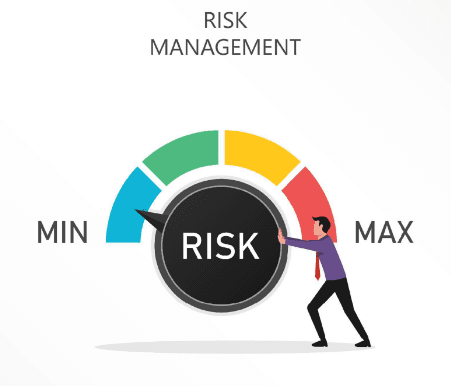
R:R tells you the shape of your edge. Risk per trade tells you how hard that edge can hurt you. The standard rule (risking 1-2% of account per trade) exists for one reason: drawdown math is brutal. A 50% drawdown needs a 100% gain just to recover. Risking 5-10% per trade because "this setup is obvious" is how accounts blow up even with a good strategy.
Three mistakes that wreck R:R discipline
- Moving the stop loss after entry to "give it room." This silently destroys your R:R and turns a 1:3 setup into a 1:1 or worse.
- Inconsistent position sizing: risking 1% on one trade and 4% on the next based on "conviction" instead of a fixed system.
- No R:R defined before entry: entering first, deciding on TP/SL after, which almost always biases toward smaller, "safer" targets that don't match the actual setup.
A simple framework
Before every trade, log:
- Entry, SL, TP
- R:R at entry
- % of account risked
Then after a few dozen trades, look at your actual numbers, not your gut feeling. Most traders are shocked at the gap between the R:R they think they're trading and what they're actually closing trades at. That gap is usually where the edge disappears.
If you're not tracking R:R per trade right now, you're trading on a story you're telling yourself, not on data.
Related: Why Win Rate Doesn't Matter as Much as You Think.
Wick Journal captures entry, SL, TP and R:R straight from your trade screenshots, so you're comparing what you actually did against what you planned.
Related posts
How Many Trades Does It Take to Pass a Prop Firm Challenge?
Most challenges no longer have a deadline, which changes the question. The math behind whether your system…
Prop Firm Consistency Rules Explained (With Examples)
A consistency rule can block a payout on an account that hit its target. How the calculation works and the…
Trailing vs Static Drawdown: Which One Breaks Your Account First
Your account can fail while you are still in profit. The reason is the drawdown model your prop firm uses,…